

Table of contents
- The THC Obsession Is Misleading
- What Are Terpenes?
- The Entourage Effect Explained
- Major Terpenes and Their Effects
- Flavor Is a Quality Indicator
- Why Terpene-Rich Strains Feel Stronger
- Terpenes vs Strain Names
- How Terpenes Affect Different Goals
- Why Labs Should Display Terpenes First
- Terpenes and Tolerance
- Concentrates and Terpenes
- The Industry Is Finally Catching Up
- How to Choose Cannabis Based on Terpenes
- FAQ: Terpenes and THC
- Moving Beyond THC Percentages
For years, cannabis consumers have been taught to judge quality by one number: THC percentage. Dispensary menus highlight it in bold. Product labels make it the centerpiece. But anyone with real experience knows that two strains with the same THC level can feel completely different.
Terpenes, the aromatic compounds responsible for cannabis’ scent and flavor, play a much larger role in shaping how a strain actually feels. They influence mood, energy, clarity, sedation, appetite, and even how THC interacts with your body. Understanding terpenes will change how you’ll choose your bud next time you go to the dispensary or buy some seeds to grow your own.
The HighWay explains why terpenes matter more than THC, how they affect your experience, and how to use them to select strains that are far beyond what you normally would choose.
The THC Obsession Is Misleading
THC is the primary psychoactive compound in cannabis, so it makes sense that it gets attention. But THC percentage is not a reliable indicator of quality, potency, or enjoyment.
A 30% THC strain can feel flat, anxious, or overwhelming. A 17% THC strain can feel euphoric, focused, and long-lasting. Many experienced consumers prefer lower-THC flower with strong terpene profiles because the experience is more balanced and functional.
High THC without supporting terpenes often produces:
- Shorter-lived effects
- Increased anxiety or racing thoughts
- Harsh flavor
A strain with high THC can absolutely be great, but the terpenes are what will really make it stand out.
What Are Terpenes?
Terpenes are aromatic compounds found in many plants, including cannabis, citrus, pine, lavender, and herbs. In cannabis, they are produced in the same resin glands that create cannabinoids.
Terpenes serve two roles:
- They create the aroma and flavor of a strain.
- They influence how cannabinoids interact with the body.
Each strain contains a unique terpene profile, which is why no two strains truly feel the same. Even the same exact strain can have different profiles due to different characteristics that each plant has.
The Entourage Effect Explained
The entourage effect refers to the way cannabinoids and terpenes work together to shape cannabis effects. THC alone produces one type of experience. THC combined with different terpene profiles produces entirely different results.
For example:
- THC + limonene often feels uplifting and motivating.
- THC + myrcene often feels calming and heavy.
- THC + pinene often feels clearer and more alert.
This synergy is why terpene content matters more than raw THC numbers. Terpenes influence how THC is absorbed, how long it lasts, and how it feels in the body and mind.
Major Terpenes and Their Effects
Understanding common terpenes helps you choose strains based on experience rather than hype.
Myrcene
Often found in indica-leaning strains. Known for relaxing, sedating, and body-heavy effects. High myrcene strains tend to feel stronger even at lower THC levels.
Limonene
Citrusy and bright. Associated with mood elevation, stress reduction, and mental clarity.
Caryophyllene
Peppery and earthy. Unique because it interacts directly with cannabinoid receptors. Often linked to body relief and calming effects without sedation.
Pinene
Pine aroma. Promotes alertness, memory retention, and clear head effects.
Linalool
Floral and soft. Commonly associated with relaxation and stress reduction.
Each terpene has their own role and effects but what really matters is the combinations of terpenes rather than any single terpene alone.
Flavor Is a Quality Indicator
Strong flavor usually means strong terpene preservation. Weak flavor often means terpenes were lost during poor cultivation, drying, or storage.
If a flower smells bland or grassy, it likely delivers a bland experience regardless of THC percentage.
Good flavor is not just a bonus, it tells you exactly how well preserved the cannabis is and directly affects how it will make you feel.
Why Terpene-Rich Strains Feel Stronger
Many consumers report that terpene-rich strains feel more potent even when THC is lower. This happens because terpenes influence THC absorption and receptor binding.
Terpenes can:
- Increase perceived intensity
- Smooth out harsh psychoactivity
- Extend the duration of effects
- Improve overall comfort
This is why some 18% THC strains outperform 28% THC strains in real-world use.
Terpenes vs Strain Names
Strain names are inconsistent. Many growers and brands use the same names even though the flower is totally different. Terpene profiles are far more reliable.
Instead of asking for a specific strain or if it’s indica/sativa, etc…
Ask for:
“What are the dominant terpenes?”
This shift alone will improve your cannabis experiences dramatically.
How Terpenes Affect Different Goals
For Focus
Look for pinene, limonene, and terpinolene.
For Relaxation
Look for myrcene, linalool, and caryophyllene.
For Creativity
Look for limonene and terpinolene.
For Sleep
Look for high myrcene and linalool dominance.
For Mood
Look for limonene and caryophyllene combinations.
Why Labs Should Display Terpenes First
Many lab labels still prioritize THC at the top. But advanced consumers look for terpene percentages first.
A high-quality flower often has:
- Total terpene content above 2%
- Complex multi-terpene profiles
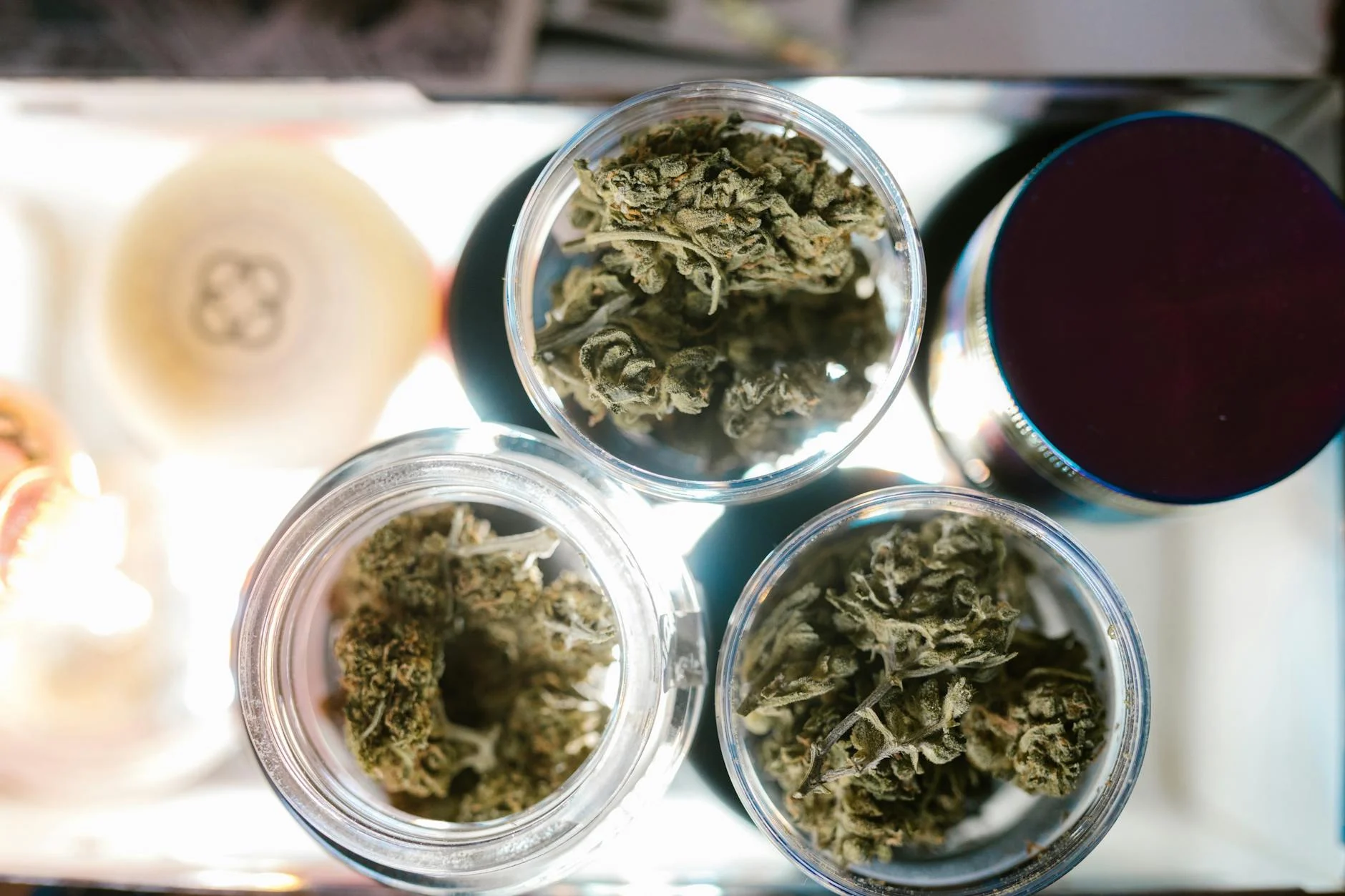
- Strong aroma when broken open
Terpenes are a better indicator of cultivation quality than THC.
Terpenes and Tolerance
As tolerance increases, THC alone becomes less effective. Terpenes help reintroduce nuance and depth into the experience.
Many seasoned consumers rotate terpene profiles instead of chasing higher THC.
Concentrates and Terpenes
Not all concentrates preserve terpenes equally.
Live resin and live rosin retain more terpene complexity. Distillate often removes them and reintroduces simplified blends.
This is why live products feel more strain-specific and balanced.
The Industry Is Finally Catching Up
As consumers become more educated, dispensaries are beginning to highlight terpene profiles more prominently. Breeders are selecting for aroma and flavor again instead of just THC inflation.
This shift is healthy for the entire industry.
How to Choose Cannabis Based on Terpenes
- Ignore THC first.
- Smell the flower. Aroma matters.
- Check terpene percentages.
- Match terpene profiles to your goal.
- Track which terpenes work best for you personally.
Over time, you will know which terpene combinations your body prefers.
FAQ: Terpenes and THC
Terpenes are not intoxicating on their own, but they strongly influence how THC feels and how intense the experience becomes.
Yes. A terpene-rich 15% THC strain can feel stronger than a 30% THC strain with weak terpene content.
Yes. Heat, light, and air degrade terpenes quickly. Proper curing and storage are essential.
Yes. Terpenes create aroma and flavor. Without them, cannabis tastes bland regardless of THC.
Most edibles lose natural terpene content during processing unless terpenes are reintroduced.
They vary by phenotype, grow method, and cure. Even the same strain can have different terpene dominance across growers.
Yes. Learning terpenes early prevents bad experiences caused by chasing THC alone.
Moving Beyond THC Percentages
The future of cannabis is not higher THC.
Terpenes define cannabis. They shape the experience, the mood, the clarity, the relaxation, and the enjoyment.
If you want better cannabis experiences, stop thinking about the THC and focus on the terpenes.
That single change will transform how you choose, consume, and appreciate cannabis forever.
Join us on The HighWay.



Leave a Reply
You must be logged in to post a comment.