

In early 2026, federal policymakers appeared poised to fundamentally reshape hemp regulation in the United States by shifting the legal standard for hemp from a delta‑9 THC threshold to a “total THC” standard that includes THCA and other cannabinoids.
This shift — a central component of the 2026 Farm Bill debate — could upend the existing market for THCA hemp, intoxicating hemp products, and thousands of small businesses whose revenue depends on products derived from hemp.
This article explains what’s happening, why THCA is central to the debate, how federal and state responses are unfolding, and what businesses and consumers need to know before the looming deadlines.
Understanding THCA and the Hemp Loophole
THCA (tetrahydrocannabinolic acid) is the acidic precursor to delta‑9 THC, meaning it converts into the intoxicating THC we commonly associate with marijuana when heated (such as by smoking or vaping).
Under the 2018 Farm Bill, hemp was defined as cannabis with no more than 0.3% delta‑9 THC on a dry weight basis, which was a standard that did not account for THCA and other intoxicating cannabinoids.
As a result, many growers and smoke shops began producing and selling THCA‑rich hemp flower and related products that technically tested below 0.3% delta‑9 THC but were psychoactive when consumed — creating an unintended loophole that the hemp industry took advantage of.

What Is the 2026 Farm Bill Proposal?
In March 2026, the House Agriculture Committee advanced language in the 2026 Farm Bill that would redefine hemp to include all forms of THC (including THCA) under a “total THC” standard.
This change would mean that many existing hemp‑derived products currently on the market could become illegal under federal law once enforcement begins.
Additionally, the federal law that was passed in November 2025 already includes a 0.4 mg total THC per container limit for consumable hemp products, a provision industry critics say effectively bans most intoxicating hemp edibles and concentrates.
Why THCA Is at the Heart of the Change
THCA plays a unique role for two reasons:
- It can be smoked or vaped to produce intoxication, even if below the federal 0.3% delta‑9 THC threshold.
- Because of this, regulatory bodies consider THCA and similar cannabinoids part of the intoxicating profile of hemp products, pushing policymakers to close the “THCA loophole” that existed under the 2018 Farm Bill.
Under the updated legal definition, a hemp flower bag that tests below 0.3% delta‑9 THC could still fail compliance if its combined total THC once THCA is converted exceeds allowable levels.
State Responses: Texas and Pennsylvania Move
While federal legislation advances, states are already acting.
This has prompted lawsuits from retailers challenging the new rules, arguing that expanded testing standards and hefty licensing fees exceed the authority granted by state law.
What Enforcement Could Look Like in Late 2026
Once federal enforcement begins, likely by November 12, 2026, products with total THC levels exceeding the allowable limit could be unlawful anywhere in the U.S.
This could include:
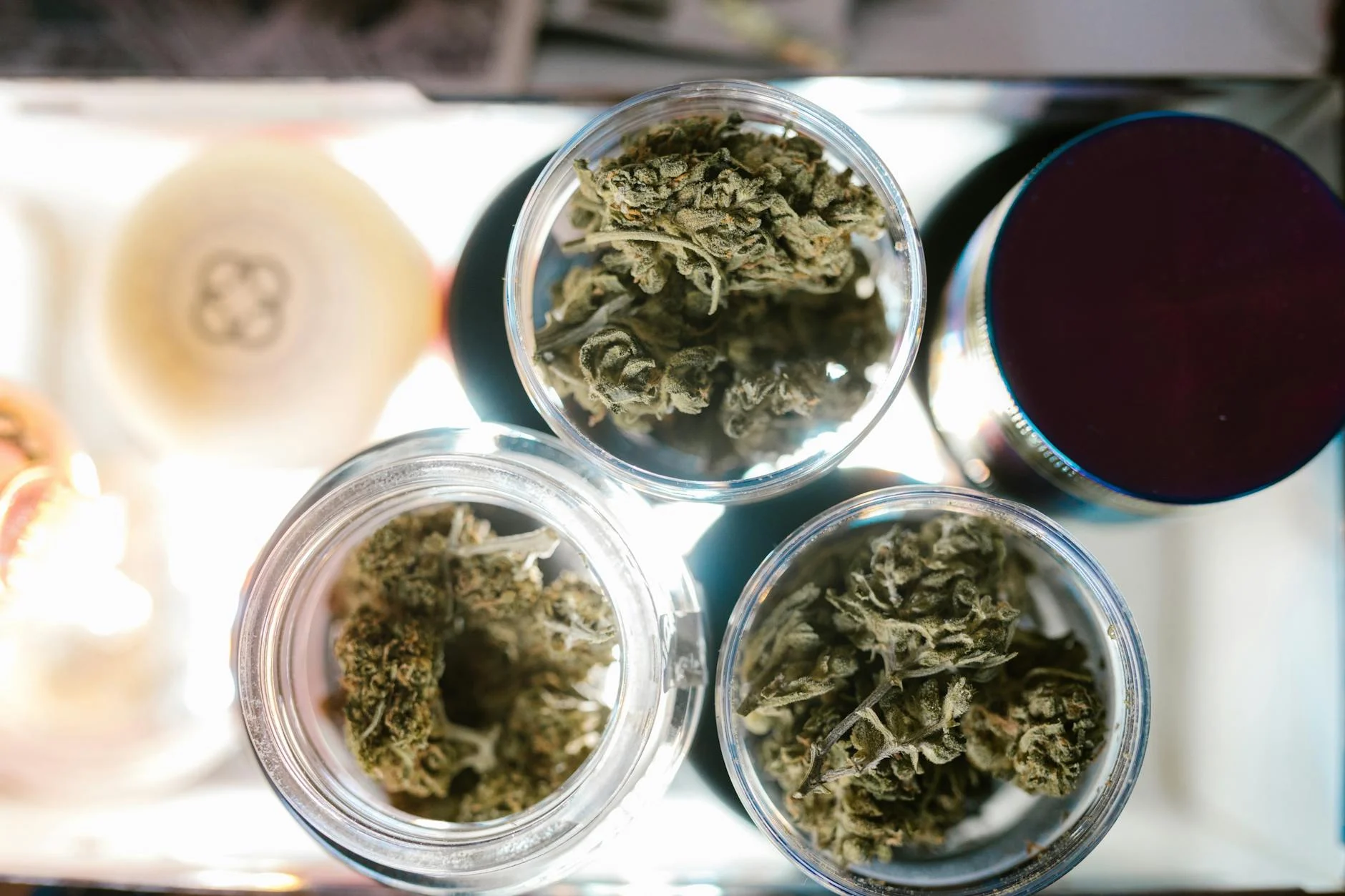
- THCA flower sold in smoke shops
- Delta‑8 THC products
- Edibles, vapes, and tinctures containing any measurable intoxicating cannabinoids
Industry analysts estimate this redefinition could impact as much as 95% of currently marketed hemp products.
Projected Hemp Market Loss (2025–2027)
| Year | Estimated Market Size (USD) | YoY Change | Projected Market Loss vs 2025 |
|---|---|---|---|
| 2025 | $28.4B | — | — |
| 2026 | $18.0B | -36.6% | -$10.4B |
| 2027 | $1.4B | -92.2% | -$27.0B |
How Businesses Can Prepare
If you operate or supply within the hemp marketplace, proactive steps include:
- Reviewing product cannabinoid profiles under a total THC lens
- Planning inventory transitions before enforcement dates
- Monitoring state regulatory frameworks as they evolve
FAQ: THCA Hemp and the 2026 Regulatory Shift
It refers to the combined quantity of all THC compounds — including delta‑9 THC, delta‑8 THC, THCA, and similar cannabinoids — measured together rather than only delta‑9 THC.
If total THC limits are enforced as proposed, most THCA flower could fall outside legal hemp definitions and therefore be prohibited after enforcement begins in late 2026.
No. States like Texas and Pennsylvania are independently modifying their hemp laws, but timelines and requirements vary widely.
Consumers may see tightening availability of intoxicating hemp products and should remain informed about local legal standards before purchasing or consuming.
Conclusion
The action surrounding THCA and “total THC” standards in the 2026 Farm Bill represents one of the most consequential regulatory shifts in the hemp and cannabis space in half a decade. As enforcement deadlines approach, business owners, consumers, and policymakers alike must prepare for a landscape where intoxicating hemp products may no longer be treated the same as traditional industrial hemp under federal law.
Related Articles:
The Many Uses of Hemp
Texas Cracks Down on Cannabis
Bill Introduced in North Carolina to Legalize Recreational Marijuana

Savage has been growing cannabis for 5+ years and founded The HighWay to share honest, tested information with the cannabis community.


Leave a Reply