
Growing cannabis at home doesn’t have to mean obsessing over every leaf, mixing complicated nutrient schedules, or spending hours adjusting equipment. In fact, some of the highest-yielding home grows come from systems designed to reduce human error rather than increase hands-on time.
This guide is for growers who want strong yields, healthy plants, and consistent results without turning cultivation into a second job. If your goal is maximum output with minimal daily effort, the strategy isn’t cutting corners. It’s building a grow environment that practically runs itself.
Why “Low Effort” Growing Works
Many new growers overcomplicate the process. They chase advanced training techniques, switch nutrients weekly, and tweak light height constantly. The result is usually just stress for both the plant and the grower.
Cannabis grows much better in a consistent environment. When light, temperature, humidity, airflow, and watering remain consistent, plants grow predictably. The lazy grower’s advantage is this: fewer variables mean fewer mistakes.
The key is automation, environmental control, and selecting genetics that don’t require constant intervention.

Step One: Start With a Reliable Grow Tent Kit
If you want minimal effort, start with equipment designed to work together. A quality grow tent kit typically includes:
- Full-spectrum LED grow light
- Inline fan
- Carbon filter
- Ducting
- Timer
A full-spectrum LED grow light with dimming capability reduces the need to adjust height constantly. Many models designed for small to mid-sized tents provide even light distribution without hot spots, meaning less monitoring and fewer adjustments.
Pair that with a programmable timer so your light cycle stays consistent. Light leaks and inconsistent schedules cause stress during flowering, and automation eliminates that risk.
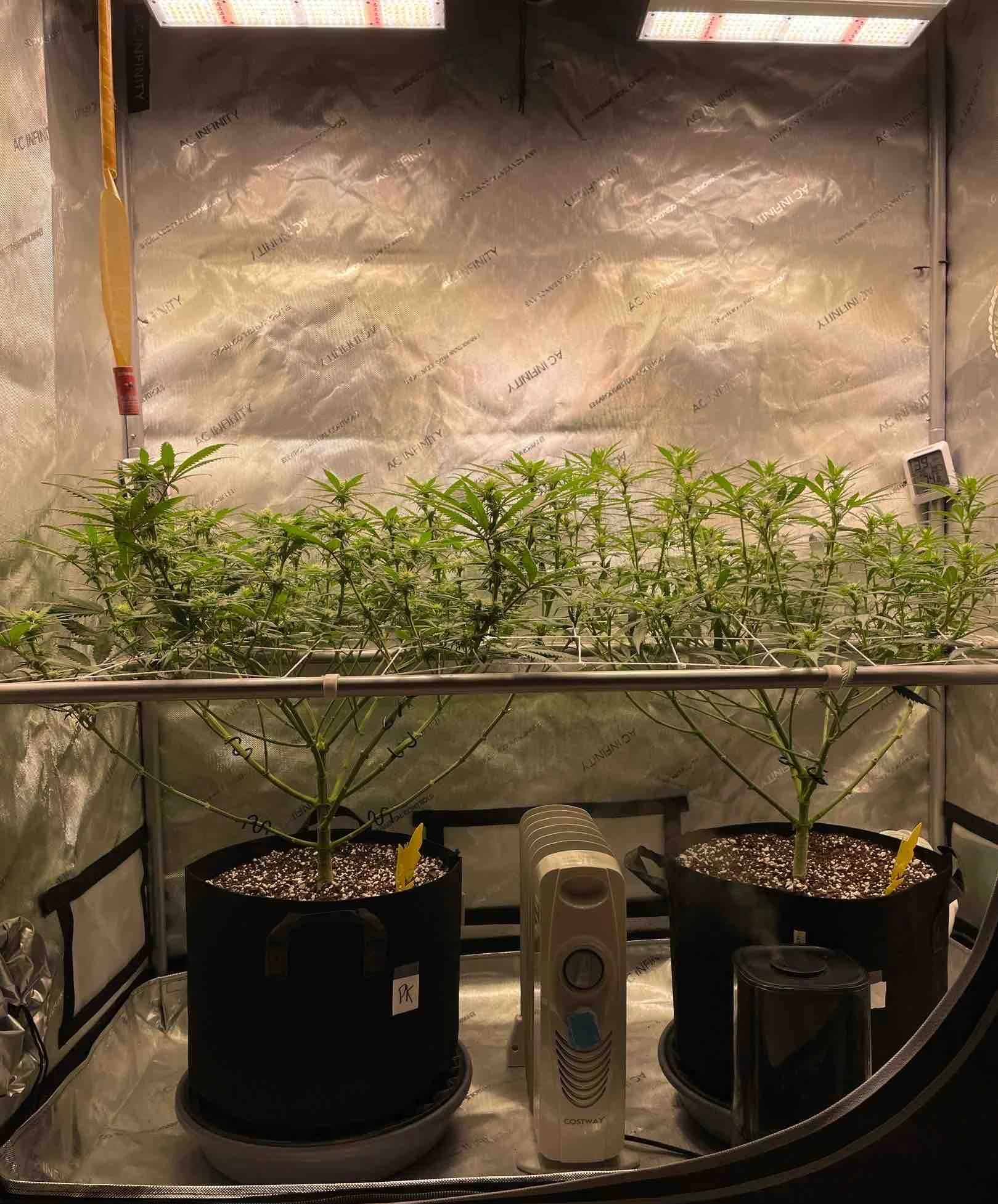
Look for a grow tent with thick canvas and sturdy zippers. Poor tents leak light and odors, forcing you to troubleshoot issues that could have been avoided. Our recommendation would be the AC Infinity 2×2 Grow Tent Kit because it comes with an entire integrated system that you can even add to.
Lazy Grower Rule #1: Buy solid equipment once instead of upgrading mid-grow. Use The HighWay’s list of Best Grow Tent Kits to get you started!
Step Two: Choose Fast Flowering Genetics
If your goal is minimal intervention, autoflowers strains are some of your best options. Unlike photoperiod plants, autoflowers transition from vegetative growth to flowering automatically based on age rather than light schedule.
- No flipping light cycles
- No risk of light schedule mistakes
- Faster harvests
Many modern autoflower strains yield impressively under stable conditions. While traditional growers once criticized autoflowers for lower yields, breeding advancements have largely erased that gap. In 2025, The HighWay created our own list of Best Autoflower Breeders and Their Top Strains!
Fast Flowering strains have also become increasingly popular because while they are photoperiods, they often have a flowering duration of 8 weeks or less.
For low-effort growing, choose resilient, beginner-friendly genetics that tolerate minor environmental fluctuations.
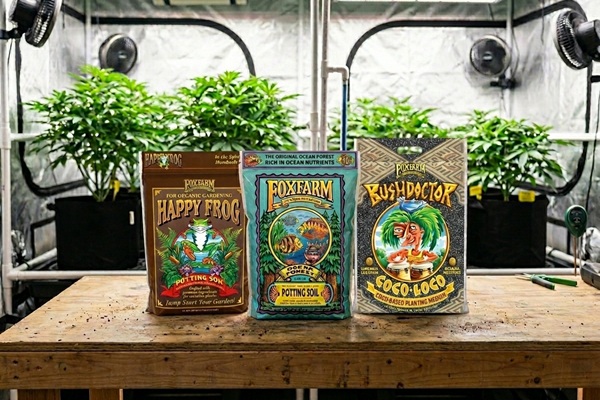
Step Three: Use Pre-Amended Living Soil
Mixing nutrients weekly is one of the biggest time commitments in cannabis cultivation. A well-built living soil eliminates most of that work.
Pre-amended organic soil blends are designed to carry plants through most of their lifecycle with minimal supplementation. Instead of mixing bottles and checking runoff constantly, you simply water.
Benefits of living soil:
- Reduced nutrient burn risk
- Fewer pH adjustments
- Minimal feeding schedules
- Better terpene expression
If you prefer bottled nutrients, consider a simplified two or three-part nutrient line rather than a six-bottle system. Complexity increases the chance of mistakes. We would recommend something like the General Hydroponics Floratrio.
Step Four: Automate Watering
Hand-watering works, but it demands attention. If you miss a day during peak flowering, your plant will let you know quickly.
A basic automatic watering system with a timer and reservoir drastically reduces daily workload. Options range from gravity-fed systems to programmable drip irrigation setups.
Advantages:
- Consistent moisture levels
- Reduced overwatering risk
- Ability to leave plants unattended for short trips
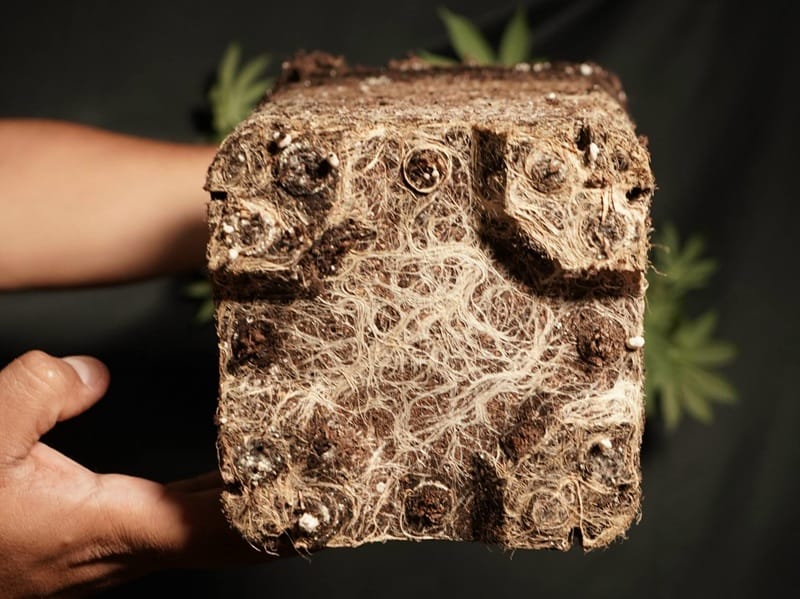
For growers who prefer simplicity, fabric pots paired with self-watering bases can maintain even soil moisture without complex plumbing.
Step Five: Control Climate With Smart Devices
Temperature and humidity swings cause more problems than most growers realize. Instead of checking levels manually several times a day, use:
- Digital hygrometer with memory
- Smart temperature and humidity controller
- Oscillating clip fans
- Inline fan with speed controller
A humidity controller that automatically triggers exhaust fans keeps the environment stable without constant supervision.
During flowering, maintaining proper airflow reduces mold risk and strengthens stems. Clip fans placed strategically eliminate dead air pockets.
Step Six: Train Less, Not More
Advanced training techniques can increase yields, but they also increase risk and time investment. For low-effort cultivation, stick to simple methods:
- Low-stress training early in veg
- Light defoliation when necessary
- Avoid aggressive techniques unless experienced
A few strategic bends early on can open the canopy without constant pruning sessions. You would be surprised by how much just a little training can do. In the beginning, it should only take a minute or two to do some training and light defoliation. By the time it begins to transition into flower, it will take longer since the plant is much bigger, but still no more than 10-15 minutes.
Let the plant do most of the work.
Step Seven: Dry and Cure the Easy Way
Many growers lose quality during drying and curing. Keep this phase simple and controlled.
Use:
- Small hygrometers
- Boveda humidity packs
- Airtight glass jars or Grove Bags
For drying, keep it simple! Just chop the plant at the base and hang it upside down completely whole. Try to maintain temperatures around 50-64 degrees fahrenheit and relative humidity around 52-63% with light airflow in the drying area.
Once buds are jarred, humidity packs help maintain optimal moisture levels without constant burping schedules. If you want to be even lazier, use Grove Bags since you don’t even need to burp them! Just throw the buds in and they’re good to go.

The Lazy Grower’s Weekly Checklist
Instead of daily management, follow this simple weekly routine:
- Check light height and intensity
- Refill water reservoir
- Inspect leaves for discoloration
- Confirm temperature and humidity averages
- Ensure airflow equipment is functioning
That’s it. With proper setup, you shouldn’t need to do much more.
Common Mistakes That Increase Workload
- Overfeeding nutrients
- Using underpowered lighting
- Ignoring airflow
- Choosing unstable genetics
- Buying cheap equipment that fails mid-grow
Low effort doesn’t mean low standards. You’re just building a system that prevents problems before they start.
Yield Expectations
With a stable environment, quality genetics, and a mid-range full-spectrum LED, a small tent setup can produce substantial harvests per cycle. Autoflowers typically complete their lifecycle faster, allowing more harvests per year.
The true gain isn’t just yield per plant, it’s yield per hour of effort invested.
When your grow environment runs smoothly, you spend less time troubleshooting and more time enjoying the results.
Frequently Asked Questions
Yes. With automated lighting, watering, and climate control, daily hands-on involvement becomes minimal. Weekly inspections are usually sufficient when conditions are stable.
For growers prioritizing simplicity, autoflowers eliminate light schedule management and shorten grow cycles. That makes them well suited for minimal-intervention setups.
Living soil buffers pH naturally, reducing the need for constant adjustments. However, using filtered water and checking occasionally ensures long-term stability.
With automatic watering, timers, and environmental controllers, short absences are manageable. Always test your system before leaving plants unattended.
Not necessarily. A stable, healthy plant often outperforms one that has been over-trained and stressed. Moderate, strategic canopy management is usually enough.
Sometimes It’s Good to Be Lazy
The highest-yielding home grows aren’t always the most complicated. They’re the most consistent.
If you design your grow around automation, stable genetics, and simplified systems, you can dramatically reduce your workload without sacrificing results. Maximum yield with minimum effort isn’t about cutting corners. It’s about removing unnecessary steps and letting the plant thrive in a controlled, predictable environment.
Useful Links:
Grow Tent Essentials
Best LED Grow Lights for Growing Cannabis
Beginner’s Guide to Growing Cannabis at Home
Join us on The HighWay.

Savage has been growing cannabis for 5+ years and founded The HighWay to share honest, tested information with the cannabis community.


Leave a Reply