
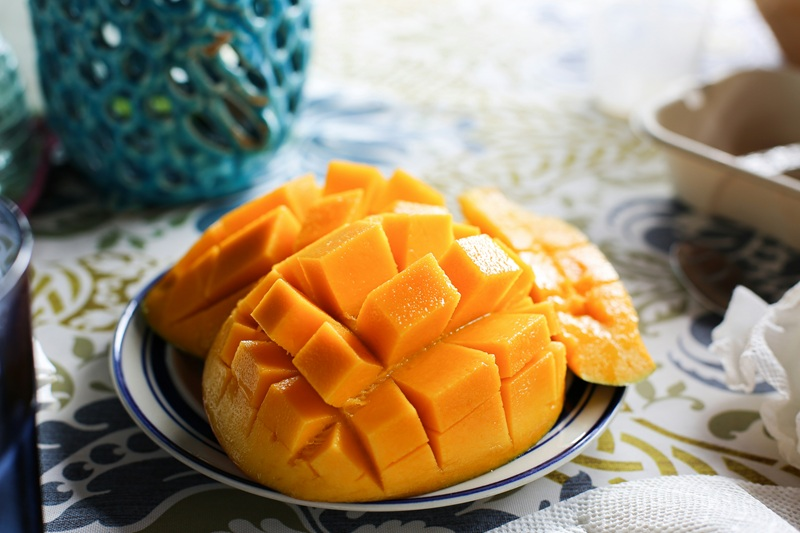
When people talk about why one cannabis strain feels deeply relaxing while another feels bright and mentally stimulating, the conversation usually starts with cannabinoids. But just as important is the terpene profile. Among all cannabis terpenes, myrcene stands out as one of the most studied, most abundant, and most recognizable.
If you have ever opened a jar of flower and noticed an earthy, musky, herbal aroma with hints of clove, ripe fruit, or damp forest notes, there is a strong chance myrcene was a major contributor.
For growers, consumers, and medical cannabis users alike, understanding myrcene can completely change how you evaluate a strain beyond THC percentage alone. This terpene often plays a major role in aroma, flavor, and the type of effects users commonly report.
What Is Myrcene?
Myrcene, often listed as beta-myrcene or β-myrcene, is a naturally occurring monoterpene found in cannabis and more than 200 other plant species. It is especially common in hops, lemongrass, thyme, bay leaves, mangoes, and verbena.
Chemically, myrcene is classified as a monoterpene hydrocarbon with the molecular formula C10H16. In cannabis, it is frequently one of the dominant terpenes in the overall profile and can make up a significant percentage of total terpene content.
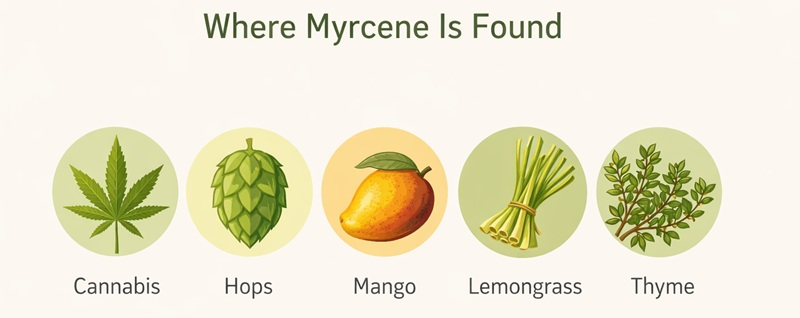
Myrcene is one of the most common terpenes found in cannabis flower and is frequently linked to relaxing, body-heavy strain profiles.
What Does Myrcene Smell and Taste Like?
Myrcene’s aroma is one of the easiest terpene profiles to recognize once you know what to look for.
The scent is commonly described as earthy, musky, herbal, clove-like, and slightly peppery, often with subtle fruity undertones. Many consumers also associate high-myrcene flower with that classic “dank” cannabis aroma.
In flavor terms, it often comes across as earthy and spicy on the inhale with a slightly sweet or fruity finish on the exhale. In certain fruit-forward cultivars, it may contribute a tropical or mango-like note.
Why Is Myrcene So Important in Cannabis?
Myrcene matters because it may help shape both the aroma profile and the way a strain feels.
Many consumers associate high-myrcene strains with deep physical relaxation, calming body effects, and nighttime use. This is why it is often found in cultivars known for heavier, more sedating effects.
While user experience always depends on cannabinoids, dose, and individual tolerance, myrcene is one of the most frequently discussed terpenes when it comes to body-heavy strains and the classic couch-lock sensation.
Potential Effects of Myrcene
One of the most common reasons people search for myrcene is to understand what type of effects it may contribute to.
Physical Relaxation
This is the most widely reported effect. Many users describe myrcene-rich strains as providing a warm, body-centered calm that feels physically grounding.
Sedation and Sleep Support
Higher myrcene concentrations are often associated with more sedative strain profiles. Some research reviews note that varieties with elevated myrcene are frequently reported as better suited for evening use.
Pain and Inflammation Research Interest
Preclinical studies have explored myrcene’s potential anti-inflammatory and analgesic properties, including interactions with pain-related pathways.
The Myrcene and Mango Myth: Is It Real?
A popular cannabis myth claims that eating mangoes before consuming cannabis makes the high stronger because mangoes naturally contain myrcene.
There is a scientific basis for the fact that mangoes do contain myrcene.
However, the idea that eating mangoes reliably intensifies cannabis effects remains largely anecdotal. Some users report stronger subjective effects, but research in humans is still limited.
Common Cannabis Strains High in Myrcene
Many legendary cultivars are known for elevated myrcene levels.
Popular examples often include:
Discover more myrcene dominant strains using our Cannabis Seed Finder app!
How Grow Conditions Influence Myrcene
Terpene expression is not fixed. The same cultivar can produce different myrcene levels depending on environmental and post-harvest conditions.
Important factors include harvest timing, light intensity, drying temperature, cure length, nutrient balance, and plant stress responses.
Improper drying, especially excessive heat, can lead to terpene loss. Because myrcene has a relatively low boiling point compared to some other compounds, preserving it during drying and curing is essential.
Myrcene and the Entourage Effect
One of the most interesting concepts in cannabis science is the entourage effect.
This suggests cannabinoids and terpenes may work together to shape the overall experience of a strain. Rather than THC acting alone, compounds like myrcene may influence how the experience feels.
For example, a 22% THC flower rich in myrcene may feel dramatically different from a 22% THC flower dominated by limonene and pinene.
Is Myrcene Good for Sleep?
Many consumers specifically seek myrcene-rich flower for evening use.
Because it is frequently associated with deep physical relaxation and calming effects, it is one of the most searched terpenes for sleep-oriented strains.
The overall experience depends on total THC, minor cannabinoids, terpene synergy, dose, and personal tolerance.
FAQ: Myrcene Terpene
Myrcene is one of the most abundant terpenes found in cannabis. It contributes earthy, musky aromas and is often associated with relaxing body effects.
It typically smells earthy, herbal, musky, slightly spicy, and sometimes fruity with mango-like undertones.
Many users report that myrcene-rich strains feel more relaxing and better suited for nighttime use, though effects vary by person and full strain composition.
Yes. Myrcene is also naturally found in hops, lemongrass, thyme, bay leaves, and mangoes.
Common examples include GMO Cookies, Blue Dream, Northern Lights, GG4, and many OG-derived cultivars.
Unlocking the Power of Myrcene
Myrcene is one of the most influential terpenes in cannabis and plays a major role in aroma, flavor, and the body-centered effects many users associate with relaxing strains.
Whether you are choosing flower for sleep support, writing strain reviews, or optimizing your grow and cure process, understanding myrcene gives a far more complete picture than THC percentage alone.
Join us on The HighWay.

Savage has been growing cannabis for over 5 years and founded The HighWay to share honest, tested information with the cannabis community.


Leave a Reply