Breeder: In House Genetics
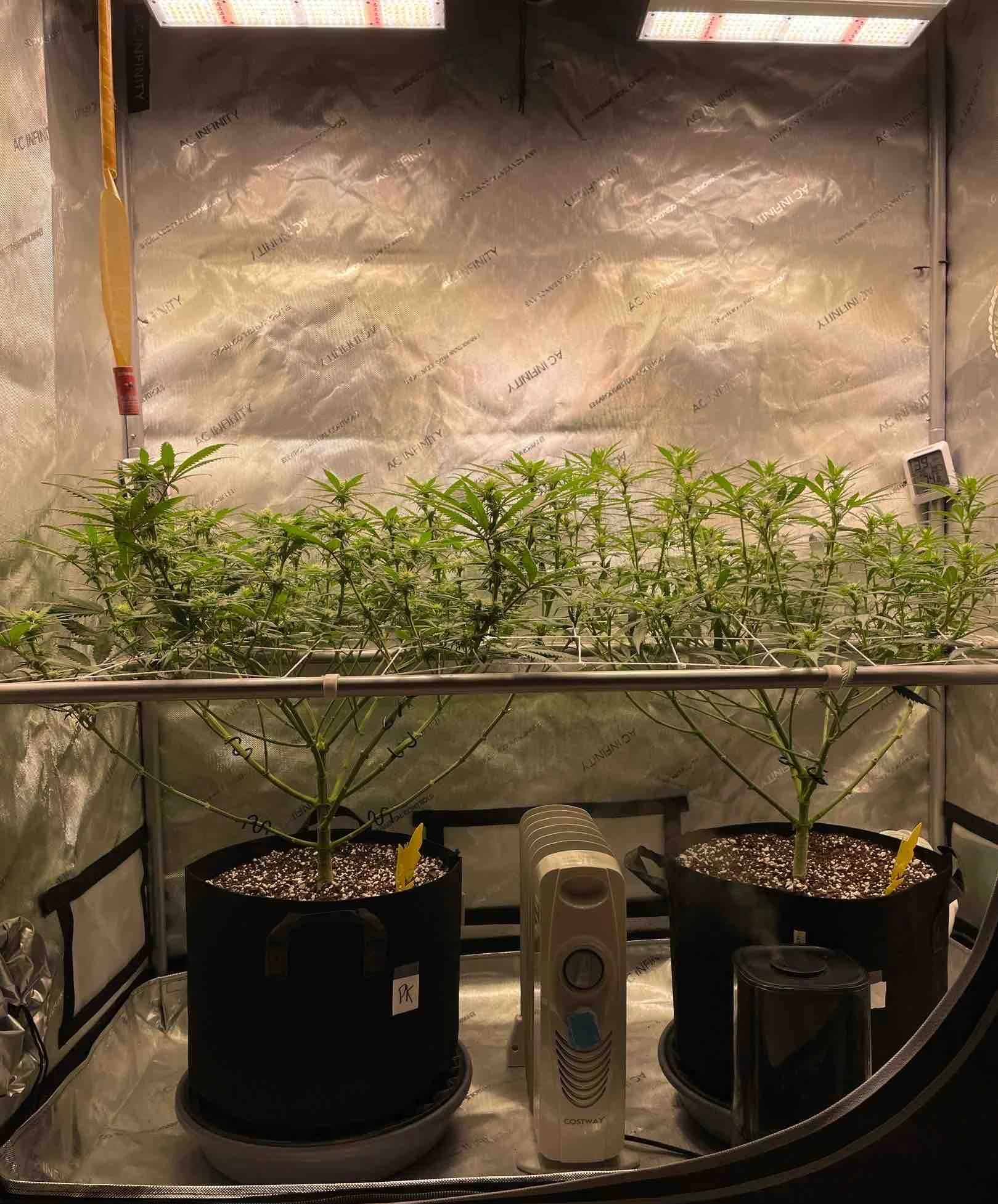
33rd Degree from In House Genetics is a feminized photoperiod hybrid that merges two pillars of modern California cannabis genetics: Platinum and Gelato #33. The cross brings together old-school OG Kush heritage with the new wave of dessert-flavored hybrids, and the result is a strain that punches above its weight in both bag appeal and effect intensity. In House Genetics has built a reputation for producing elite, trichome-heavy cultivars aimed at connoisseurs and extractors, and 33rd Degree fits squarely within that mission. Breaking down the parent genetics reveals why this strain works so well. Platinum, sometimes referred to as Platinum Kush or Platinum OG, traces its lineage to OG Kush and Afghani genetics. In House Genetics’ specific Platinum selection comes from their cross of UW Hashplant and Permafrost S1 — a pure indica known for its icy trichome coverage (the visual trait that earned the name). Platinum brings deep body relaxation, dense bud structure, and that unmistakable earthy, sweet, and slightly fruity aroma that Afghan-derived genetics carry. On the other side, Gelato #33, nicknamed “Larry Bird” after the basketball legend’s jersey number, is one of the most celebrated phenotypes to come out of Cookie Fam Genetics in San Francisco. Gelato #33 descends from Sunset Sherbet crossed with Thin Mint Girl Scout Cookies — a pairing that produced a balanced hybrid known for dark purple hues, orange pistils, thick trichome coverage, and a dessert-forward flavor profile featuring sweet citrus, berry, and creamy vanilla notes. The combination of these two parents gives 33rd Degree a genetic foundation that touches on Afghan indica tradition, California Kush culture, and the Cookie/Gelato movement all at once. The terpene profile on 33rd Degree is where this strain really distinguishes itself for flavor-chasing consumers. Lab testing on live resin extractions has shown the top three terpenes to be beta-caryophyllene, limonene, and alpha-humulene. Caryophyllene contributes a peppery, spicy warmth that adds depth to the sweeter notes. Limonene provides citrus brightness — think orange peel and tangerine zest — that lifts the overall aroma. Humulene adds an herbal, woody quality that grounds the more volatile top notes. The combined effect is an aroma that growers and consumers describe as orange cream and sweet cookie, with citrus accents, sweet gas undertones, and a touch of earthy mint on the finish. Some phenotypes express more gas and diesel on the back end, while others lean into the cookie and cream sweetness. One grow journal noted the smell as “juicy orange kush front with a complex cookie undertone” — an accurate summary of what most users encounter. THC levels on 33rd Degree consistently test between 22 and 26 percent, placing it firmly in the high-potency category. CBD content is negligible, typically under 0.1 percent. The effects unfold in stages. The onset begins with an uplifting, cerebral buzz — a mood-boosting head high that brings feelings of happiness, euphoria, and creative energy. This is the Gelato #33 influence at work, carrying forward the Cookie family’s reputation for producing strains that stimulate the mind before settling into the body. As the high progresses, the Platinum genetics assert themselves with a heavy, relaxing body stone that builds into pronounced couch-lock. The combination is surprisingly well-balanced for a strain with this level of potency. Users can enjoy a window of productive, socially engaged euphoria before the physical sedation fully sets in, making 33rd Degree suitable for late afternoon or evening sessions where you want to transition from active to relaxed over the course of an hour or two. From a medical perspective, the dual-phase effect profile makes 33rd Degree a versatile therapeutic option. The mood elevation may offer relief from symptoms of depression, anxiety, and general stress, while the deep body relaxation that follows has been noted by users as helpful for chronic pain, headaches, migraines, muscle tension, and insomnia. The caryophyllene content is worth highlighting here — this terpene is the only known terpene that binds directly to CB2 receptors in the endocannabinoid system, which means it may contribute anti-inflammatory effects beyond what THC alone provides. For patients looking for a strain that addresses both mental and physical symptoms, 33rd Degree covers a broad spectrum. In cultivation, 33rd Degree develops a vigorous and compact plant structure typical of modern indica-leaning hybrids. The internodal distance is short, and the lateral branches are robust, which creates a bushy canopy that responds well to training techniques. Topping and low-stress training (LST) are recommended to open up the plant and maximize light penetration to lower bud sites. SCROG setups are also effective for indoor growers looking to create an even canopy across multiple plants. The plant’s height is medium to tall, so indoor growers should plan for some vertical space, though it is more manageable than tall sativa-dominant hybrids. Flowering time for 33rd Degree runs approximately 8 to 9 weeks, with some phenotypes finishing in as little as 60 days and others stretching to 75 days depending on growing conditions. Indoor yields range from 450 to 650 grams per square meter under optimized lighting and environmental controls. Outdoor growers in temperate, sunny climates can expect harvests of up to 1 kilogram per plant when grown in large containers or directly in fertile soil, with outdoor harvest timing typically falling in early to mid-October. These are generous numbers that reflect the plant’s genetic potential when given proper care. One critical cultivation consideration is humidity management during late flower. The heavy trichome production and dense bud structure that make 33rd Degree visually stunning and extraction-friendly also create a susceptibility to mold if relative humidity is not kept in check. Indoor growers should target 40 to 50 percent relative humidity during the final weeks of flowering and ensure strong airflow throughout the canopy. The strain performs well in both soil and hydroponic setups, and supplementation with calcium and magnesium during bud formation has been noted to improve flower quality. Temperature control matters too — maintaining daytime temperatures between 68 and 80 degrees Fahrenheit with slightly cooler nights will encourage optimal metabolic processes and may bring out the purple coloring that Gelato #33 is famous for. The resin production on 33rd Degree is exceptional. Buds emerge from the flowering phase absolutely coated in trichomes, giving them the frosty, almost white appearance that characterizes both parent strains. This makes 33rd Degree an outstanding choice for hash makers, rosin pressers, and anyone producing solvent or solventless concentrates. The terpene richness carries through the extraction process, and live resin products made from this strain have tested at over 10 percent total terpene content — a figure that puts it in elite territory for flavor-forward concentrates. Within the In House Genetics catalog, 33rd Degree stands alongside other acclaimed releases like Slurricane, Dolato, and Jelly Breath as a representation of the breeder’s dedication to combining visual appeal, terpene complexity, and potent effects into single cultivars. For growers who want a strain that delivers dense, frosty, flavorful flower with a balanced and powerful high, 33rd Degree is a strong addition to any garden.
Strain Details
| Genetics | Platinum x Gelato #33 |
|---|---|
| Type | Photoperiod |
| Genotype | Indica |
| Taste | Creamy, Sweet, Earthy, Gas, Mint |