

Cannabutter is the foundation of most homemade edibles. When it’s done right, it gives you consistent effects, better flavor, and control over your experience. When it’s done wrong, you end up with weak, unpredictable, or harsh-tasting results.
This guide walks you through a reliable process that balances potency, flavor, and consistency so you can make cannabutter that actually performs the way you expect it to.
What Cannabutter Is and Why It Works
Cannabutter is simply butter that has been infused with cannabinoids like THC or CBD.
Cannabinoids are fat-soluble, which means they bind to fats instead of water. Butter is ideal because it has a high fat content and works naturally in a wide range of foods.
However, raw cannabis won’t produce the expected effects unless it’s heated first. That’s because it contains THCA, which needs to be converted into THC through heat.
This process is called decarboxylation, and it’s what makes cannabutter effective.
Choosing the Right Cannabis
You don’t need perfect-looking buds to make strong cannabutter. In fact, making cannabutter is one of the best ways to use parts of the plant that don’t get smoked.
Good options include:
- Trim from your harvest
- Small or lower-density buds
- Older flower that’s still in good condition
What matters most is cannabinoid content and overall quality. Avoid anything moldy or overly degraded.
If you grow your own, this is one of the most efficient ways to use your entire plant.
Trim and small buds can still produce very potent cannabutter when processed correctly.
How Strong Should Your Cannabutter Be?
Getting potency right is one of the most important parts of the process.
A reliable baseline:
- 7–10 grams of cannabis per 1 cup (2 sticks) of butter
This produces a medium-strength cannabutter that works well for most people.
If you want to adjust strength:
- Milder: 3.5–5 grams per cup
- Stronger: 14 grams or more per cup
The goal is consistency. Once you find a strength that works for you, keep your ratios the same each time.
Use our Cannabis Edible Dosage Calculator to accurately dose your homemade edibles >>>
Step 1: Decarboxylation (Activating Your Cannabis)
Decarboxylating your cannabis is what activates the THC. Without it, your cannabutter will be much weaker.
How to Decarb Cannabis
- Preheat your oven to 240°F
- Break cannabis into small, even pieces
- Spread it on a baking sheet
- Bake for 30–40 minutes
- Stir once halfway through
When it’s done, the cannabis should look slightly golden and dry, not burnt.
Learn how to decarb cannabis at home with no smell >>>
Step 2: Infusing the Butter
Once your cannabis is activated, you’re ready to infuse it into butter.
Ingredients
- 1 cup unsalted butter
- 1 cup water
- 7–10 grams decarboxylated cannabis
Instructions
- Melt butter and water together over low heat
- Add cannabis and stir gently
- Keep the temperature between 160–200°F
- Let it simmer for 2–3 hours
- Stir occasionally
The water helps regulate temperature and prevents the butter from burning.
Avoid boiling. High heat can degrade cannabinoids and reduce potency.
Low heat preserves cannabinoids and results in stronger, smoother butter.
Step 3: Straining and Separating
After infusion, you’ll need to remove the plant material.
How to Strain Cannabutter
- Line a strainer with cheesecloth
- Pour the mixture slowly through the strainer into a container
- Let it drain naturally
You can press gently, but avoid squeezing too hard. Over-squeezing releases chlorophyll, which makes the butter taste bitter.
Refrigerate the mixture for several hours. The butter will harden on top while the water stays below.
Remove the solid butter layer and discard the water.
Optional Step: Improving Flavor with a Second Wash
If you want cleaner-tasting cannabutter, you can repeat the separation process.
- Melt the butter again with fresh water
- Chill and separate a second time
This removes extra plant compounds and results in a smoother taste, especially useful for baked goods.
A second wash can significantly reduce the ‘green’ taste without reducing potency much.
Making Cannabutter with an Infuser Machine (Easier and More Consistent)
If you’ve made cannabutter on the stovetop, you already know it works. But it also requires attention. You’re watching the temperature, stirring occasionally, and hoping nothing goes wrong.
Infuser machines simplify that entire process. They’re designed to handle both decarboxylation and infusion in one controlled environment. That means fewer variables, less guesswork, and more consistent results from batch to batch.
For growers or anyone making cannabutter regularly, that consistency becomes a big advantage.
How to Use an Infuser Machine for Cannabutter
Most infuser machines follow a similar process, even if the buttons or presets are labeled differently.
Basic Steps
- Add your cannabis to the machine
- Select the decarb setting (if included)
- Add butter (and water if the model requires it)
- Run the infusion cycle
- Strain using the built-in filter or included tools
Many machines automate temperature control and timing, which removes the biggest points of failure from the stovetop method.
Some models even grind and stir automatically, helping improve extraction without over-processing the plant material.
Our Favorite Infuser Machines for Cannabutter
There are a lot of options out there, but a few stand out for reliability, ease of use, and consistent results.
LEVO II Herbal Infuser

This is one of the cleanest and most user-friendly infusers available. It’s designed to look like a regular kitchen appliance, and everything from decarbing to infusion is handled internally.
What stands out:
- Precise temperature control
- Minimal smell compared to open-air methods
- No need for added water
- Easy cleanup
MagicalButter Machine MB2e

This is one of the most well-known infusion machines and has been around for years.
It’s a bit more hands-on than some newer models, but it’s powerful and reliable.
What stands out:
- Handles larger batches
- Strong blending and mixing
- Consistent infusion results
- Works for butter, oils, and tinctures
STX Infuzium 420

A solid mid-range option that balances features and price well.
It comes with multiple accessories and preset functions, making it flexible for different types of infusions.
What stands out:
- Good value for the features
- Multiple batch sizes
- Includes filters and tools
- Straightforward controls
How to Store Cannabutter
Cannabutter should be stored carefully to maintain freshness and potency.
- Refrigerator: up to 2 weeks
- Freezer: up to 6 months
- Store in airtight containers
- Label clearly
Keeping it sealed also helps preserve flavor.
Using Cannabutter in Food
Cannabutter can be used in place of regular butter in most recipes.
Popular options include:
- Cookies and brownies
- Pasta sauces
- Toast or spreads
- Savory dishes like vegetables or potatoes
Start with small amounts until you understand how strong your butter is.
Effects from edibles take longer to kick in than smoking, but they last longer as well.
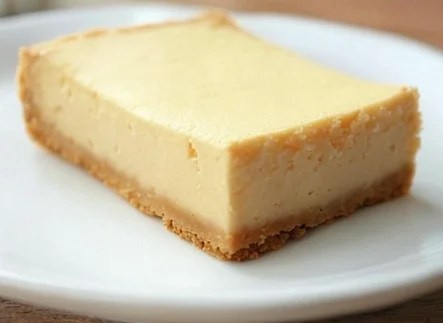
Check out our most popular cannabutter recipes:


Estimating Potency
You don’t need exact lab numbers, but a rough estimate helps you stay consistent.
Example:
- 10 grams cannabis at 15% THC = 1500mg THC total
- About 70% transfers during infusion = ~1050mg THC
- 1 cup butter = 16 tablespoons
- Roughly 65mg THC per tablespoon
This estimate helps you portion recipes more accurately.
Use our Cannabis Edible Dosage Calculator to accurately dose your homemade edibles >>>
Common Mistakes to Avoid
Too Much Heat
High temperatures can destroy cannabinoids and reduce potency.
Skipping Decarboxylation
Without decarbing, the THC won’t be fully active.
Using Too Little Cannabis
This results in weak cannabutter that doesn’t deliver noticeable effects.
Over-Squeezing During Straining
Adds bitterness and unwanted flavors.
Not Tracking Ratios
Makes it hard to recreate good results consistently.
Tips for Better Results Every Time
- Use a thermometer if possible for better temperature control
- Stick to consistent ratios once you find what works
- Use fresh, quality cannabis material
- Be patient during infusion
Cannabutter improves with consistency and attention to detail.

Homemade Cannabutter
Ingredients
Equipment
Method
- Decarboxylate cannabis at 240°F for 30–40 minutes
- Melt butter with water over low heat
- Add cannabis and simmer for 2–3 hours
- Stir occasionally and keep heat low
- Strain through cheesecloth
- Refrigerate until solid
- Remove butter and store
Notes
- Keep temperatures low to preserve potency
- Adjust cannabis amount to control strength
- Label clearly before storing
FAQ: Cannabutter Questions Answered
Usually between 30 minutes and 2 hours depending on metabolism and food intake.
Possible reasons include low potency cannabis, too little used, or excessive heat during infusion.
This is often caused by overheating or squeezing too much plant material during straining.
You can, but it will be significantly less effective.
Yes, both decarboxylation and infusion produce a noticeable cannabis aroma. You can use our Guide to Decarbing Weed Without Smell to minimize it as much as possible.
Yes, but unsalted butter gives you more control over flavor.
Getting Consistent Results
Once you go through the process a couple of times, it becomes easy to repeat.
Focus on:
- Keeping temperatures low
- Using consistent ratios
- Taking your time
That’s what leads to cannabutter that works the same way every time, instead of guessing with each batch.
Learn how to make cannabis infused oil next >>>

Savage has been growing cannabis for 5+ years and founded The HighWay to share honest, tested information with the cannabis community.


Leave a Reply