

Table of contents
- What Are Cannabis Genetics?
- Genotype vs Phenotype: The Core Difference
- Why Phenotypes Matter More Than Strain Names
- How Cannabis Genetics Are Created
- Phenotype Variation: Why Plants From the Same Strain Look Different
- The Role of Environment in Phenotype Expression
- Phenotype Hunting: How Growers Find the Best Expression
- Clones vs Seeds: Why Clones Guarantee Consistency
- How Genetics Influence Effects and Experience
- Common Misconceptions About Cannabis Genetics
- How to Use This Knowledge as a Grower or Creator
- The Future of Cannabis Genetics
- FAQ: Cannabis Genetics Explained
- Genetics Drive Everything in Cannabis
Cannabis genetics are often talked about in simple terms, but the reality is much more nuanced. If you’ve ever grown the same strain twice and ended up with noticeably different plants, you’ve already seen genetics in action. Understanding the difference between genotype and phenotype is the key to making sense of those differences.
This guide breaks down how cannabis genetics actually work, why plants from the same strain can vary, and how growers can use this knowledge to produce better results. Whether you’re growing for personal use or creating content, this is foundational knowledge that separates surface-level understanding from real expertise.
What Are Cannabis Genetics?
At its core, cannabis genetics refer to the inherited traits passed down from parent plants. These traits determine everything from growth structure to cannabinoid content and terpene profile.
When breeders cross two cannabis plants, they combine genetic material in a way that creates variation. Even within a single strain, there is often a wide range of possible outcomes. This is why two seeds from the same pack can produce plants that look, smell, and feel different.
Genetics are not just about potency or yield. They influence:
- Plant height and structure
- Flower density and size
- Aroma and flavor
- Cannabinoid ratios such as THC and CBD
- Resistance to pests and disease
- Flowering time
These traits are encoded in the plant’s genotype, but how they show up in real life depends on the phenotype.
Genotype vs Phenotype: The Core Difference
Understanding this distinction is essential.
What Is a Genotype?
The genotype is the full genetic blueprint of a cannabis plant. It contains all the possible traits the plant could express, inherited from its parent lineage.
Think of genotype as potential. It is everything the plant is capable of becoming, even if not all of those traits are visible.
For example, a plant might carry genes for both fruity and earthy terpene profiles. The genotype includes both possibilities, but only one may dominate in the final plant.
What Is a Phenotype?
The phenotype is the physical expression of those genetics. It is what you actually see, smell, and experience when the plant grows.
Phenotype is influenced by both genetics and environment. Even with identical genetics, environmental factors can shift how traits are expressed.
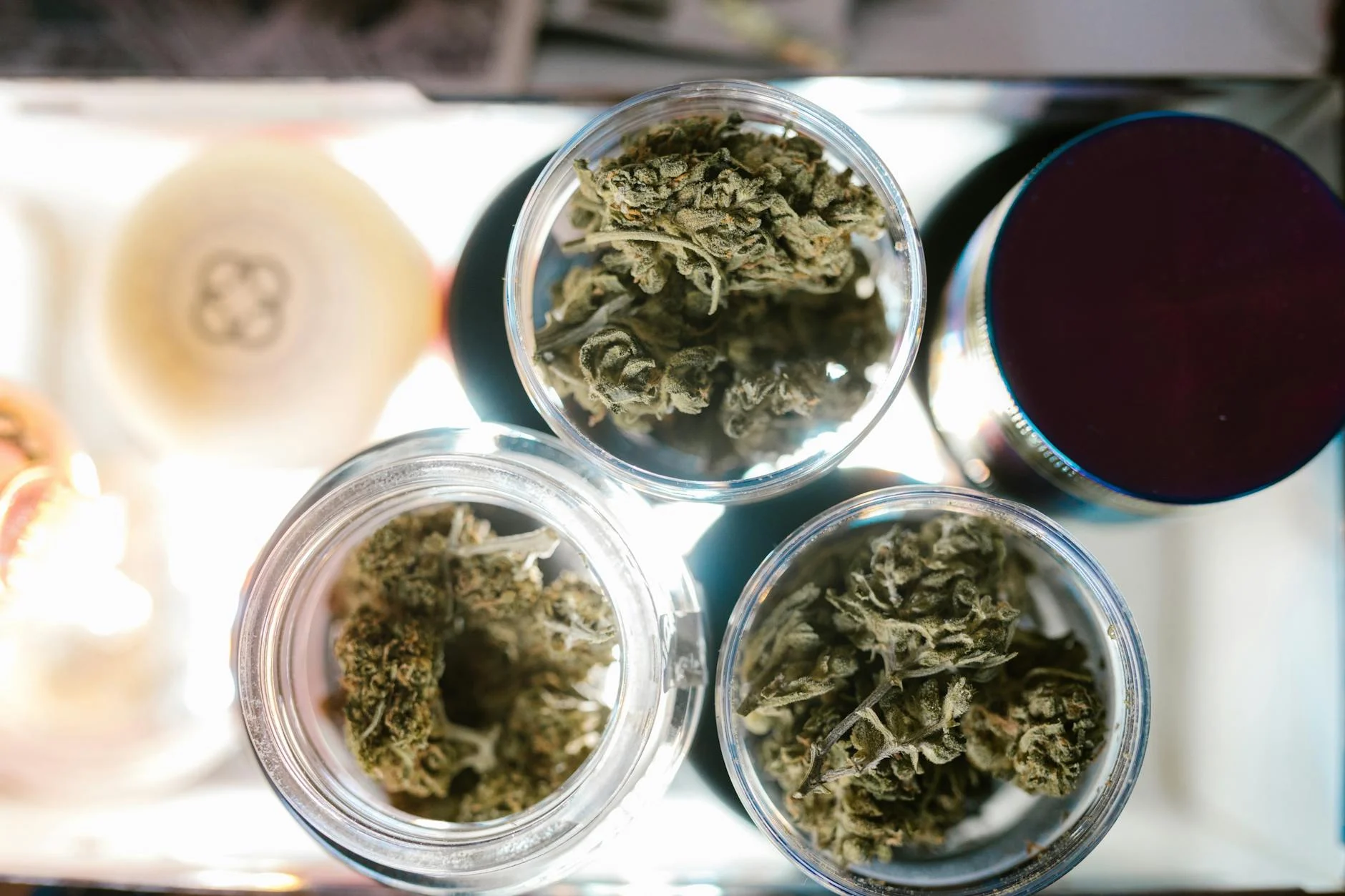
This is why growers often talk about “different phenos” of the same strain. Each phenotype represents a unique expression of the same genetic blueprint. See the below example of two phenotypes of Blueberry Muffin form Humboldt Seed Co. showing different bud structure and trichome density.


Why Phenotypes Matter More Than Strain Names
Strain names are useful, but they are not precise. When you buy seeds labeled as a specific strain, you are not getting a single uniform plant. You are getting a range of possible phenotypes.
This is especially true with modern hybrid strains. Many are not fully stabilized, meaning their traits can vary significantly from seed to seed.
For growers and reviewers, phenotype matters more than the strain label because it determines:
- The actual effects experienced
- The flavor and aroma profile
- The yield and growth characteristics
Two people growing the same strain can end up describing completely different experiences, and both can be correct.
How Cannabis Genetics Are Created
Cannabis genetics are developed through selective breeding. Breeders choose parent plants with desirable traits and cross them to produce offspring.
This process can be simple or extremely complex depending on the goal.
Basic Crossbreeding
At its simplest, breeding involves taking a male plant and a female plant and combining their genetics. The resulting seeds carry traits from both parents.
However, the offspring will not be identical. Each seed expresses a different combination of genetic traits.
Stabilization
To create consistency, breeders stabilize a strain over multiple generations. This involves selecting plants with desired traits and repeatedly breeding them together.
Over time, this reduces variation and increases the likelihood that seeds will produce similar plants.
Even in stabilized strains, some variation still exists. True genetic uniformity is rare in cannabis unless clones are used.
Backcrossing
Backcrossing is a technique used to reinforce specific traits. A plant is bred back to one of its parent plants to strengthen certain characteristics.
This is often used to lock in traits like:
- Specific terpene profiles
- Growth patterns
- Resistance to environmental stress
Phenotype Variation: Why Plants From the Same Strain Look Different
Phenotypic variation is one of the most misunderstood aspects of cannabis.
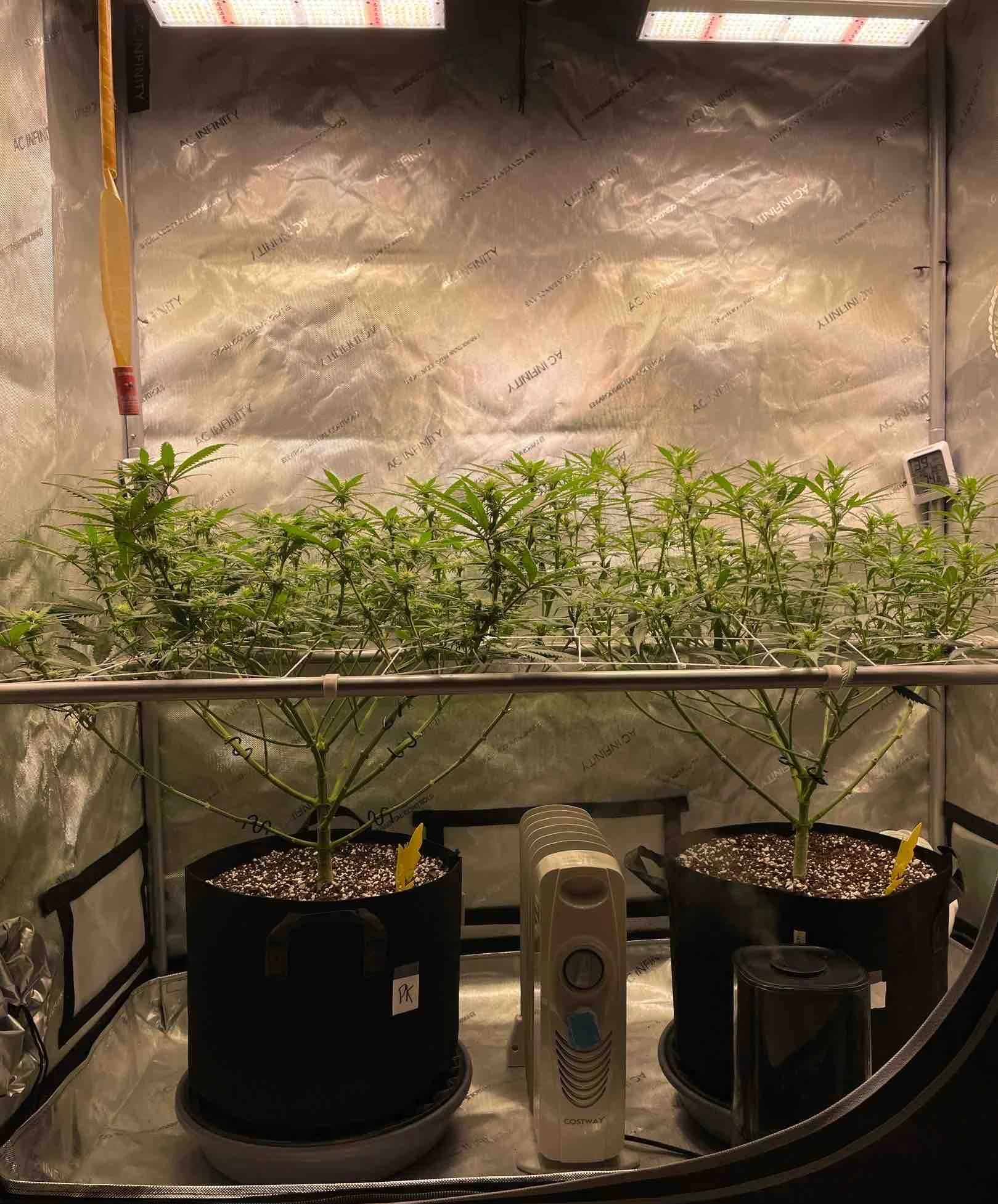
Even within a single strain, plants can show significant differences due to genetic diversity. Each seed is genetically unique, much like siblings in a family.
Common phenotype differences include:
- One plant growing tall and stretchy while another stays compact
- Variations in bud density and color
- Differences in terpene intensity
- Slight changes in cannabinoid levels
This variation is not a flaw. It is a natural result of genetic recombination.
The Role of Environment in Phenotype Expression
Genetics set the boundaries, but the environment determines how those traits are expressed.
Key environmental factors include:
Light
Light intensity and spectrum influence plant structure and cannabinoid production. Strong light often leads to denser buds and higher potency.
Nutrients
Nutrient levels affect growth rate, leaf health, and overall yield. Overfeeding or deficiencies can mask genetic potential.
Temperature and Humidity
Environmental stress can alter terpene production and overall plant development. Stable conditions allow genetics to express more consistently.
Growing Medium
Soil, coco, and hydroponic systems can all influence how a plant grows and how its traits are expressed.
Phenotype Hunting: How Growers Find the Best Expression
Phenotype hunting is the process of growing multiple seeds from the same strain and selecting the best-performing plants.
This is a common practice among serious growers and breeders.
How It Works
- Grow multiple seeds of the same strain
- Observe differences in growth, aroma, and structure
- Select the plants with the most desirable traits
- Keep those plants as mother plants for cloning
This allows growers to preserve a specific phenotype that stands out.
What Growers Look For
When hunting phenotypes, growers typically evaluate:
- Terpene profile strength and uniqueness
- Cannabinoid potency
- Yield and bud quality
- Resistance to pests and mold
- Growth structure and ease of cultivation
The goal is to find a phenotype that excels in multiple areas, not just one.
The best phenotype is not always the highest yielding one. Balance matters.
Clones vs Seeds: Why Clones Guarantee Consistency
Clones are cuttings taken from a mother plant. Because they are genetically identical, they produce the same phenotype every time when grown under similar conditions.
This is why commercial growers rely heavily on clones. It ensures consistency in product quality and effects.
Seeds, on the other hand, introduce variability. Each seed has a unique genetic expression.
Both have their place:
- Seeds are used for breeding and phenotype hunting
- Clones are used for consistency and production
How Genetics Influence Effects and Experience
Cannabis effects are not determined by THC alone. Genetics play a major role in shaping the overall experience.
Key factors influenced by genetics include:
Cannabinoid Profile
Different strains produce varying levels of THC, CBD, and minor cannabinoids. These compounds interact to create different effects.
Terpene Profile
Terpenes contribute to aroma and may influence how cannabinoids affect the body. For example, some terpene profiles are associated with more relaxing or uplifting experiences.
Balance Between Compounds
The ratio of cannabinoids and terpenes can significantly change how a strain feels, even if THC levels are similar. This is known as The Entourage Effect.
Common Misconceptions About Cannabis Genetics
There are several persistent myths that can lead to confusion.
“All Seeds From a Strain Are the Same”
This is not true. Seeds from the same strain can produce different phenotypes with noticeable variation.
“Indica vs Sativa Determines Effects”
The traditional indica vs sativa classification is not a reliable way to predict effects. Genetics are far more complex than this binary system.
“Higher THC Means Better Quality”
Potency is only one factor. Terpenes and overall chemical composition play a major role in the experience.
How to Use This Knowledge as a Grower or Creator
Understanding genetics allows you to approach cannabis with more precision.
For Growers
- Start multiple seeds to explore phenotype variation
- Take notes on each plant’s traits
- Clone your best-performing plants
- Focus on consistency through controlled environments
For Reviewers and Content Creators
- Describe specific phenotypes rather than general strain expectations
- Highlight differences between grows
- Provide context about genetics and lineage
- Educate readers on why variation occurs
This level of detail builds authority and trust with your audience.
The Future of Cannabis Genetics
As legalization expands and breeding techniques improve, cannabis genetics are becoming more refined. Breeders are focusing on:
- Stabilizing strains for consistency
- Enhancing terpene profiles
- Increasing resistance to environmental stress
- Developing specific cannabinoid ratios
Genetic research is also becoming more advanced, allowing for better understanding of how traits are inherited and expressed.
This will likely lead to more predictable and specialized cannabis products in the future.
FAQ: Cannabis Genetics Explained
Genotype is the plant’s genetic blueprint, while phenotype is the physical expression of those genetics. The phenotype is influenced by both genetics and environmental conditions.
Each seed contains a unique combination of genetic traits. This leads to variation in how plants grow, even within the same strain.
Phenotype hunting is the process of growing multiple plants from the same strain and selecting the best-performing ones based on traits like aroma, potency, and yield.
Neither is better than the other. Clones provide consistency because they are genetically identical to the mother plant. Seeds offer genetic diversity and are essential for breeding and discovering new phenotypes.
The environment does not change the genotype, but it can influence how those genes are expressed, which affects the phenotype.
Terpenes contribute to aroma and may influence the overall effects of cannabis. They play a significant role alongside cannabinoids in shaping the experience.
Genetics Drive Everything in Cannabis
Cannabis genetics are more complex than most strain labels suggest. The difference between genotype and phenotype explains why variation exists and why two plants from the same strain can produce completely different results.
For growers, this knowledge opens the door to better selection and consistency. For consumers and content creators, it provides a deeper understanding of what actually drives quality and experience.
Once you start paying attention to phenotypes instead of just strain names, cannabis becomes much more predictable and much more interesting.
Join us on The HighWay.

Savage has been growing cannabis for 5+ years and founded The HighWay to share honest, tested information with the cannabis community.


Leave a Reply