
If there is one thing that often overwhelms new cannabis growers, it’s nutrients. Walk into any grow shop or browse online and you will see bottles promising massive yields, explosive flowers, and “professional” results. Most beginners end up either overfeeding their plants or buying way more products than they actually need.
Don’t fall for the marketing. Healthy cannabis plants just need the right balance of nutrients at the right time. You do not need a complicated 12-bottle feeding program to grow excellent cannabis at home.
This guide breaks down the best beginner-friendly cannabis nutrients, the differences between organic and synthetic feeding, how to spot nutrient deficiencies, and which products are actually worth buying.

Cannabis plants rely heavily on three primary macronutrients:
- Nitrogen (N) for leafy vegetative growth
- Phosphorus (P) for root development and flowering
- Potassium (K) for overall plant strength and bud production
They also need secondary nutrients and micronutrients like calcium, magnesium, sulfur, iron, and zinc.
Organic vs Synthetic Cannabis Nutrients
One of the biggest debates in cannabis cultivation is whether organic or synthetic nutrients are better. The reality is that both methods work extremely well when used correctly.
Organic Nutrients
Organic nutrients come from natural sources like compost, kelp, worm castings, bat guano, fish hydrolysate, and bone meal. These nutrients are broken down slowly by beneficial microbes in the soil. Learn more about growing cannabis organically >>
Benefits of organic feeding:
- More forgiving for beginners
- Lower risk of nutrient burn
- Helps build healthier soil biology
- Many growers believe it improves terpene and flavor quality
Downsides:
- Slower nutrient uptake
- Harder to quickly fix deficiencies
- Less precise than synthetic feeding
A good beginner-friendly organic bloom amendment is Dr. Earth Flower Girl Bud and Bloom Booster. It works especially well for outdoor plants and living soil grows.

Synthetic Nutrients
Synthetic nutrients are mineral salt-based fertilizers that plants can absorb almost immediately. These are extremely popular in indoor cannabis cultivation because they allow for precise feeding control.
Benefits of synthetic nutrients:
- Faster plant response
- Easier to correct deficiencies
- Excellent for hydroponics and coco coir
- Typically produces faster growth
Downsides:
- Easier to overfeed plants
- Can cause nutrient burn quickly
- Requires more attention to pH
One of the most beginner-friendly synthetic systems is Cronk Nutrients 3-Part Base Kit. Three-part systems are easy to understand because they separate grow, micro, and bloom nutrients into simple stages.
The Hybrid Approach
Many experienced growers actually combine organic and synthetic methods. This hybrid approach gives plants fast nutrient availability while still supporting healthy soil biology.
A common beginner hybrid setup looks like this:
- Organic soil base
- Synthetic base nutrients during veg
- Organic bloom boosters during flowering
- Cal-Mag supplementation when needed
This method is forgiving while still allowing fast correction of nutrient problems.
Most beginner nutrient problems come from overfeeding, not underfeeding.
When Cannabis Plants Need Nutrients
Cannabis nutrients need to change throughout the grow cycle.
Seedling Stage
Young seedlings need very little nutrition. Most quality soils already contain enough nutrients for the first 1 to 2 weeks.
Feeding too early is one of the fastest ways to stunt seedlings.
Signs seedlings are healthy:
- Bright green leaves
- Upright posture
- Steady growth
Signs seedlings are overfed:
- Burned leaf tips
- Dark green leaves
- Curling downward
Learn more about common seedling mistakes new growers make >>
Vegetative Stage
Once plants develop several sets of true leaves, nutrient demand increases significantly.
During veg, cannabis needs higher nitrogen levels to support leafy growth. This is when “Grow” nutrients are most important.
Beginner-friendly vegetative nutrients include:
Start at 25% to 50% strength, even if the feeding chart suggests more. Cannabis plants are easier to recover from underfeeding than overfeeding.
Flowering Stage

During flowering, plants require less nitrogen and more phosphorus and potassium to support bud production.
Bloom boosters can help during mid to late flower, but beginners should avoid stacking too many additives.
A simple flowering setup works best:
- Base bloom nutrient
- Cal-Mag if necessary
- Optional bloom booster
Popular bloom boosters include:
How to Tell if Cannabis Plants Need Nutrients
Cannabis plants are excellent at visually communicating problems. Learning leaf symptoms is one of the most valuable skills a grower can develop.
Before adding more nutrients, always check pH first. Many “deficiencies” are actually nutrient lockout caused by improper pH.
Ideal pH ranges:
- Soil: 6.0 to 7.0
- Coco/Hydro: 5.5 to 6.5
Nitrogen Deficiency
Symptoms:
- Lower leaves turn pale green then yellow
- Older leaves die off first
- Slow vegetative growth
Fix:
Increase nitrogen-heavy nutrients during veg.
Nitrogen deficiencies are common when plants outgrow the nutrients available in soil.
While yellow leaves are often a sign that there isn’t enough nitrogen, there are many other issues that can cause leaves to begin yellowing.
Learn more about why your cannabis leaves are turning yellow >>
Phosphorus Deficiency
Symptoms:
- Dark or bluish leaves
- Purple stems
- Slow growth
- Poor flower development
Fix:
Use a bloom nutrient higher in phosphorus.
Potassium Deficiency
Symptoms:
- Brown crispy leaf edges
- Weak stems
- Burnt-looking margins
Fix:
Increase potassium levels with bloom nutrients.
Calcium Deficiency
Symptoms:
- Rust spots on leaves
- Twisted new growth
- Weak stems
Fix:
Add a calcium supplement or Cal-Mag product.
Great beginner options include:
Calcium deficiencies are especially common under LED grow lights and in coco coir grows.
Magnesium Deficiency
Symptoms:
- Yellowing between leaf veins
- Older leaves affected first
- Leaves curl upward
Fix:
Add magnesium through Cal-Mag or Epsom salt.
Nutrient Burn
Symptoms:
- Brown burnt leaf tips
- Very dark green leaves
- Clawing downward
Fix:
Flush with pH-balanced water and reduce feeding strength.

Best Cannabis Nutrients for Beginners
Many new growers fail because they buy overly complicated feeding systems. Simplicity almost always works better.
Here are some of the easiest and most reliable nutrient products for beginner growers.
| Nutrient Product | Best Use | Feeding Style | Difficulty |
|---|---|---|---|
| Cronk Nutrients 3-Part Base Kit | All-around growing | Synthetic | Easy |
| FoxFarm Big Bloom Liquid | Soil grows | Organic blend | Easy |
| Advanced Nutrients Big Bud | Flowering booster | Synthetic | Moderate |
| General Hydroponics CaliMagic | Calcium/magnesium support | Supplement | Easy |
| Dr. Earth Flower Girl Bud and Bloom Booster | Organic flowering | Organic | Easy |
Should Beginners Use Feeding Schedules?
Yes, but do not follow them blindly.
Most manufacturer feeding charts are aggressive because companies want growers to use more product (and therefore buy more). Many experienced growers use only half-strength feedings.
A simple beginner feeding routine:
- Feed nutrients every other watering
- Start at 25% strength
- Increase slowly if plants remain healthy
- Watch leaves carefully
If leaves stay healthy green without tip burn, the feeding level is usually appropriate.
Organic Dry Amendments vs Liquid Nutrients
Another major beginner decision is whether to use dry amendments or liquid nutrients.
Dry Amendments
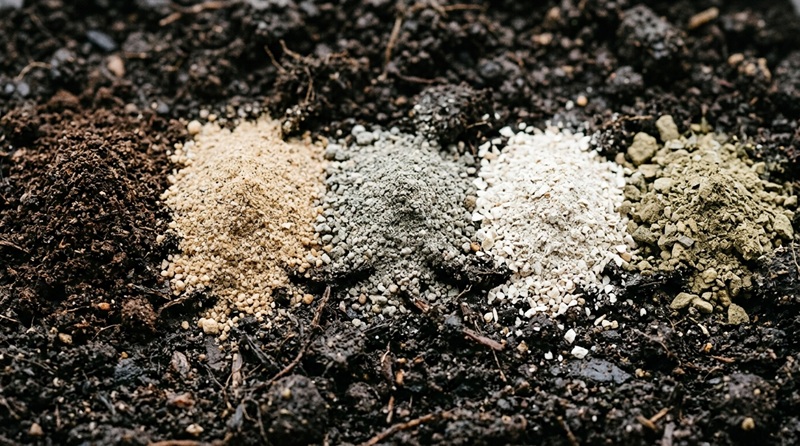
Dry amendments are mixed into soil or top dressed over time.
Examples include:
Benefits:
- Easier maintenance
- Less frequent feeding
- More forgiving
Drawbacks:
- Slower correction of deficiencies
- Less control
Liquid Nutrients
Liquid nutrients are mixed into water before feeding.
Benefits:
- Faster nutrient uptake
- Easier deficiency correction
- More control
Drawbacks:
- Higher risk of overfeeding
- Requires pH management
Most indoor beginners prefer liquid nutrients because they provide faster results and simpler troubleshooting.
Common Beginner Nutrient Mistakes
Feeding Too Early
Seedlings usually do not need nutrients immediately. Wait at least 1-2 weeks before you start any sort of feeding schedule.
Ignoring pH
Improper pH causes nutrient lockout that mimics deficiencies. Always pH after adding nutrients into the water and before it goes into the growing medium to ensure it is within appropriate range.
Using Too Many Additives
You do not need six bloom boosters and three root enhancers. Keeping it simple often leads to a much less stressful growing process, and usually even higher quality buds.
Overwatering While Feeding
Wet roots absorb nutrients poorly and can create toxicity issues. Always let your growing medium have a dry back period to let the roots spread and reach for moisture; this is how you expand the root system. Learn how to water cannabis plants like a pro >>
Chasing Every Tiny Leaf Imperfection
Older leaves naturally fade during flowering. Not every yellow leaf is a crisis. It is totally fine to see a few leaves turning yellow here and there.
Experienced growers often repeat the same advice to new cultivators: keep nutrient programs simple and observe plants closely instead of constantly changing products.
Helpful Links:
– Ultimate Beginner’s Guide to Growing Cannabis at Home
– Best Cannabis Strains to Grow for Beginners
– Is my Soil Healthy?
FAQs: Cannabis Nutrients for Beginners
Simple 2-part or 3-part systems are easiest for beginners because they reduce confusion and work across multiple grow stages.
Both work well. Organic nutrients are more forgiving, while synthetic nutrients provide faster growth and easier deficiency correction.
Most growers feed every other watering, though this depends on plant size, medium, and nutrient strength.
Not always, but many indoor growers using LEDs, reverse osmosis water, or coco coir eventually need calcium and magnesium supplementation.
Brown tips usually indicate nutrient burn from overfeeding. If it continues getting worse, flush your medium with water, then dial down your nutrient strength for the future.
Yes. Most deficiencies can be corrected quickly once the proper nutrient imbalance or pH issue is identified.
– Soil: 6.0 to 7.0
– Hydro/Coco: 5.5 to 6.5
Usually not. Many beginner growers achieve excellent results using simple and affordable nutrient systems.

Savage has been growing cannabis for 5+ years and founded The HighWay to share honest, tested information with the cannabis community.


Leave a Reply