

Limonene is one of the most recognizable terpenes in cannabis, known for its sharp citrus aroma and its role in shaping how a strain feels. If you’ve ever cracked open a jar and smelled something like lemon peel or orange zest, there’s a good chance limonene was leading the terpene profile.
But limonene isn’t just about smell. It plays a role in how cannabis interacts with your body, especially when combined with cannabinoids like THC and CBD.
What Is Limonene?
Limonene is a naturally occurring terpene found in citrus fruit rinds and many other plants, including cannabis. It belongs to a group of compounds called monoterpenes, which are responsible for many plant aromas.
There are two primary forms:
- D-limonene: citrus-forward and sweet (dominant in cannabis)
- L-limonene: more piney and less common in cannabis
Most cannabis strains that test high in limonene contain the D-isomer, which gives off that clean citrus scent.
What Does Limonene Smell and Taste Like?
Limonene is best known for its citrus-forward aroma, but the exact expression depends on the surrounding terpene profile.
Common expressions include:
- Lemon zest
- Sweet orange peel
- Grapefruit bitterness
- Slightly sugary citrus candy
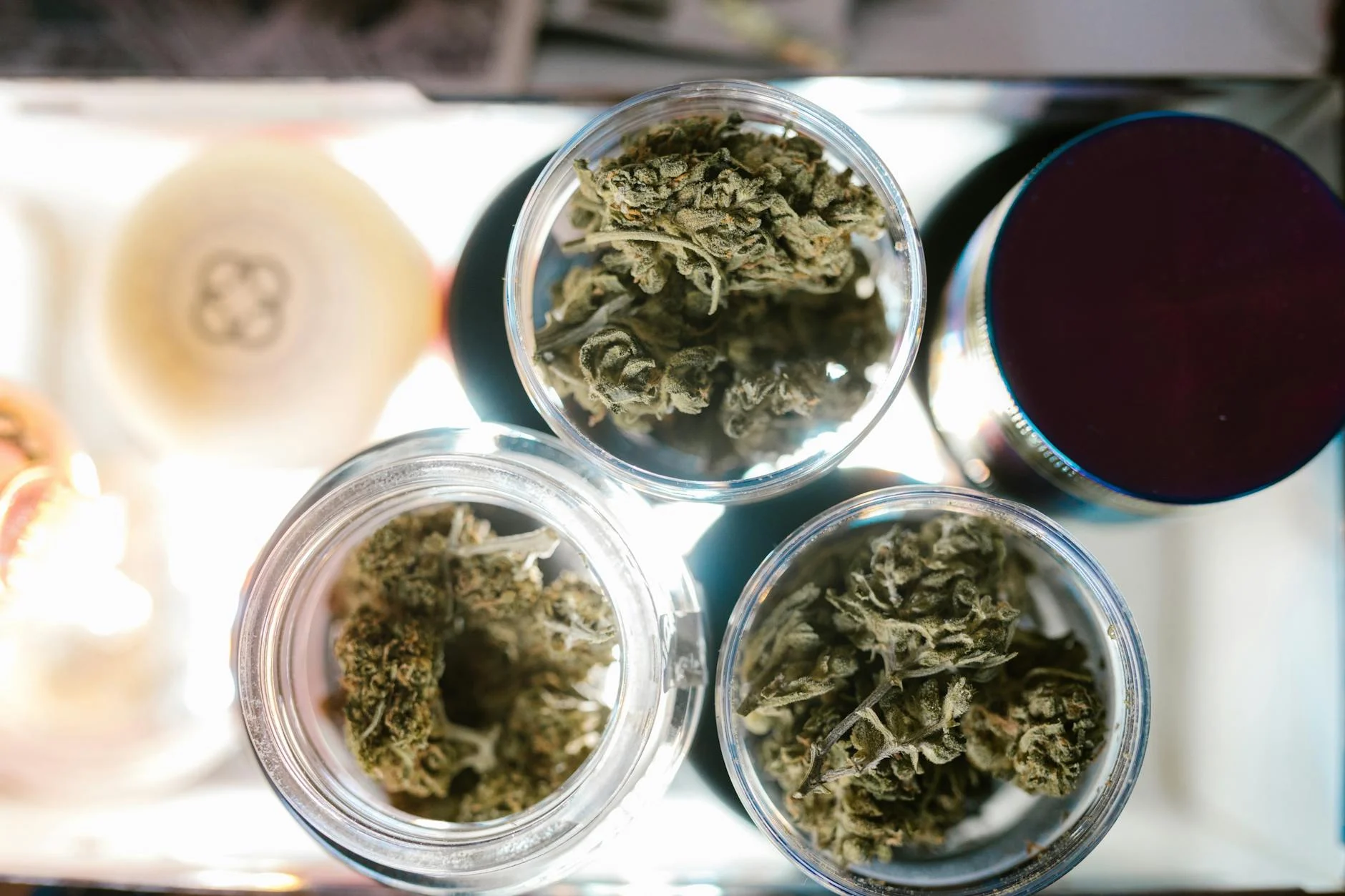
In well-grown and properly cured cannabis, limonene often hits immediately when you open the jar, sitting right at the top of the aroma profile.
How Limonene Works in Cannabis
Limonene doesn’t bind directly to CB1 or CB2 receptors like cannabinoids do. Instead, it influences how the body responds to cannabis through broader biological pathways, including interactions with neurotransmitters and signaling systems.
This is part of what’s known as the entourage effect, where terpenes and cannabinoids work together to shape the overall experience.
Potential Effects of Limonene
While research is still developing, both studies and user reports point toward several consistent effects.
Mood and Stress Response
Research shows limonene may have anxiolytic and antidepressant-like effects in preclinical models.
This lines up with how many users describe limonene-dominant strains:
- Uplifting
- Mood-enhancing
- Less mentally heavy than myrcene-rich strains
Anti-Inflammatory and Antioxidant Activity
These findings are primarily from controlled research environments, but they highlight the biological activity of this terpene beyond aroma.
Antimicrobial Properties
Limonene has shown antimicrobial activity against certain bacteria and fungi in controlled studies.
While this doesn’t directly translate to the cannabis experience, it adds to the broader understanding of how limonene functions in nature.
Limonene and the Entourage Effect
Limonene’s real influence becomes more noticeable when combined with other cannabis compounds.
For example:
- Limonene + THC: often perceived as more uplifting or mentally stimulating
- Limonene + Myrcene: tends to feel more balanced and less racy
- Limonene + Caryophyllene: can feel grounded while still maintaining brightness
This interaction helps explain why two strains with similar THC levels can produce very different effects.
Common Cannabis Strains High in Limonene
Limonene shows up in a wide range of popular strains, particularly those known for citrus-forward profiles.
Some commonly associated strains include:
Terpene levels can vary significantly depending on how the plant is grown, harvested, and cured, so lab testing is always more reliable than strain names alone.
Want to grow a limonene-dominant cannabis strain? Use our Cannabis Seed Finder to easily choose the genetics, then start with our Beginner’s Guide to Growing at Home.
How to Identify Limonene in Lab Reports
If you want consistency, lab reports (COAs) are the best tool available.
Terpene content is typically listed as a percentage. Limonene will appear alongside other terpenes like myrcene, pinene, and caryophyllene.
A general guideline:
- 0.1% – 0.3%: Present but subtle
- 0.3% – 0.7%: Noticeable influence
- 0.7%+: Dominant terpene
Higher percentages usually correlate with stronger citrus aroma and a more noticeable effect on the overall experience.
Limonene vs. Lemon-Flavored Strains
One common misconception is that anything that smells like lemon must be high in limonene.
That’s not always the case.
Other compounds can contribute citrus-like aromas, including:
- Terpinolene
- Ocimene
- Certain esters formed during curing
This means that a strain can smell citrusy without high limonene, and a limonene-rich strain may not smell strongly like lemon if other terpenes dominate.
This is why lab data is more reliable than aroma alone when identifying terpene content.
What Products Contain the Most Limonene?
Limonene isn’t limited to flower. In fact, some cannabis products preserve or even highlight terpene content more effectively.
You’ll often find stronger limonene presence in:
- Live resin and live rosin: preserve terpenes from fresh plants
- Vape cartridges: sometimes formulated for terpene expression
- High-quality cured flower: depends on post-harvest handling
- Infused pre-rolls: may include added terpene blends
If you’re specifically looking for limonene, live products tend to deliver the most noticeable results.
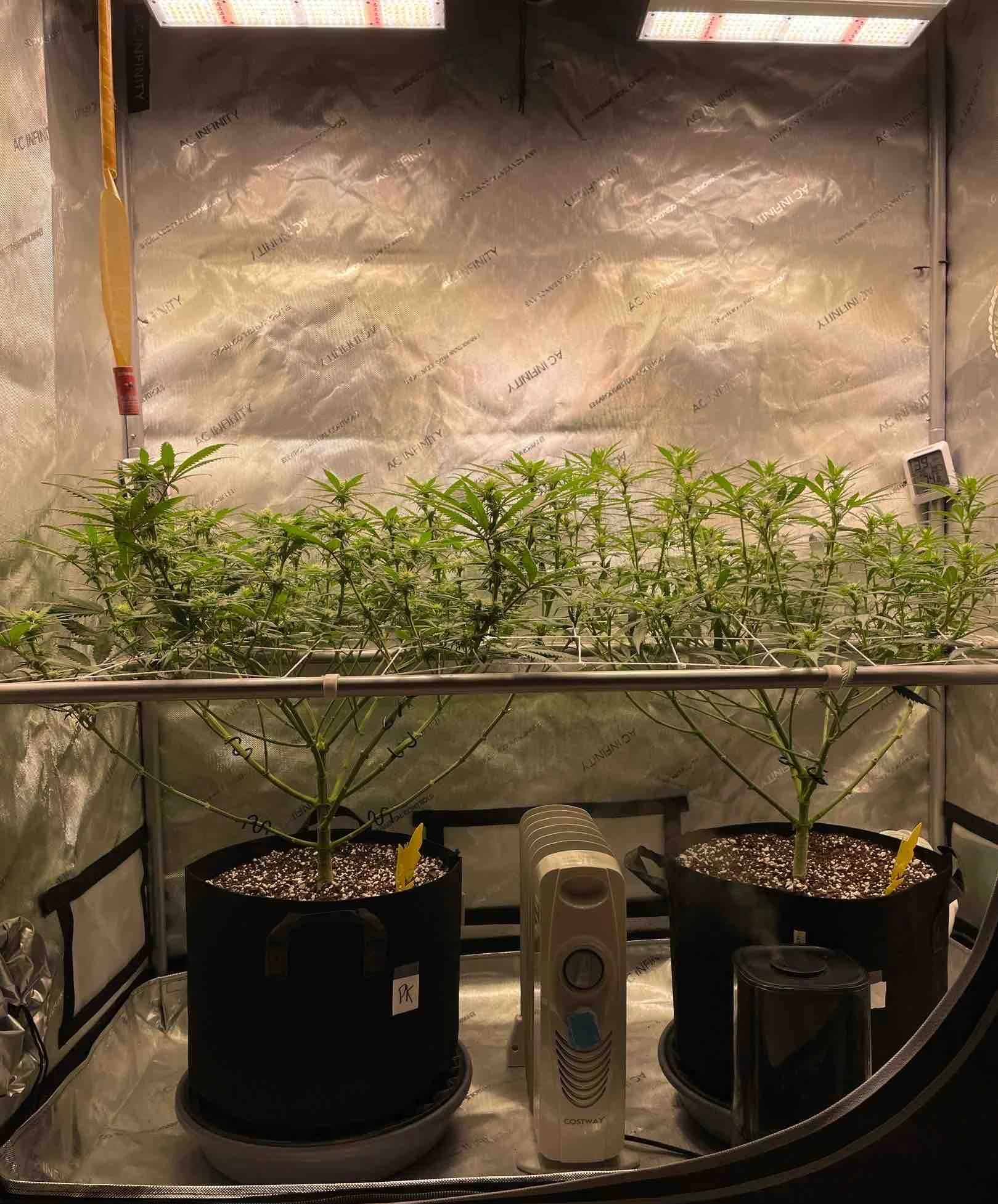
Limonene for Growers: What Influences Terpene Expression?
For growers, limonene production depends on both genetics and environmental conditions.
Key factors:
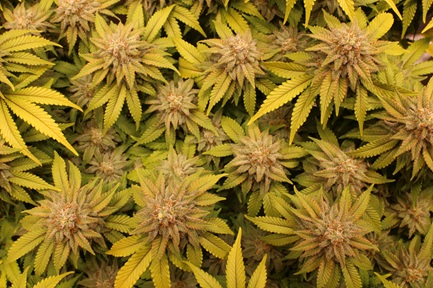
- Genetics: Some cultivars naturally produce more limonene
- Light intensity: Strong light supports terpene development
- Temperature: High heat can degrade volatile terpenes
- Drying and curing: Poor technique can strip terpenes quickly
Limonene is highly volatile, meaning it evaporates easily. That makes post-harvest handling just as important as the grow itself.
How to Preserve Limonene After Harvest
Post-harvest handling is one of the most important factors in maintaining limonene levels.
To preserve it:
- Keep drying temperatures between 55–65°F
- Maintain relative humidity around 55–62%
- Avoid excessive direct airflow on buds
- Cure slowly in airtight containers
- Store finished product away from heat and light
Poor drying conditions are one of the fastest ways to lose terpene content.
Limonene in Nature (Beyond Cannabis)
Limonene is not unique to cannabis. It’s widely found in nature and plays a role in plant survival.
Common sources include:
- Lemon, orange, and lime peels
- Rosemary
- Juniper
- Peppermint
Plants produce limonene as part of their natural defense system, helping deter pests and attract beneficial insects.
Limonene vs. Other Terpenes
Comparing limonene to other major terpenes helps put it into context:
- Myrcene: earthy, musky, often more sedating
- Pinene: pine-like, associated with alertness
- Caryophyllene: spicy, interacts with CB2 receptors
Limonene stands out for its bright aroma and its association with more uplifting experiences.
Learn About Other Terpenes:
– What is Myrcene? >>
– What is Caryophyllene? >>

Is Limonene Safe?
Limonene is widely used in food, cosmetics, and cleaning products and has been evaluated for safety.
That said, inhalation through smoking or vaping is different from dietary exposure, so quality and moderation still matter.
Why Limonene Matters for Cannabis Consumers
Choosing cannabis based only on THC percentage leaves out a big part of the experience. Terpenes like limonene help explain why two strains with similar THC levels can feel completely different. THC is important, but terpenes are also needed for the full experience.
Limonene-heavy strains are often described as:
- More uplifting
- Better for daytime use
- Clear-headed rather than heavy
Understanding terpene profiles gives you more control over the kind of experience you’re looking for.
FAQ: Limonene in Cannabis
Limonene contributes to aroma and may influence mood and stress response through its interaction with other cannabis compounds.
Most users find it uplifting or energizing, but effects depend on the full terpene and cannabinoid profile.
Super Lemon Haze, Lemon Skunk, and Wedding Cake are commonly associated with limonene, though terpene content varies by batch.
No. Limonene is not psychoactive. The high comes from cannabinoids like THC.
Smell is usually the easiest way to tell. Look for strong citrus notes. For accuracy, check lab-tested terpene profiles.
Why Limonene Deserves Your Attention
Limonene is one of the most impactful terpenes in cannabis, shaping both aroma and overall experience. Its citrus-forward profile makes it easy to identify, but its real value comes from how it interacts with cannabinoids and other terpenes.
If you’re trying to move beyond THC percentages and actually dial in the type of experience you want, understanding limonene is a strong place to start.
Join us on The HighWay.

Savage has been growing cannabis for 5+ years and founded The HighWay to share honest, tested information with the cannabis community.


Leave a Reply